
.webp)
* All product/brand names, logos, and trademarks are property of their respective owners.
Workplace safety has come a long way over the past few decades, and one area that has seen major improvement is how businesses handle chemical spills. What used to be a slow, messy, and often risky clean-up process has now turned into a well-organised system supported by modern tools and training. This shift has made workplaces safer for employees and better protected for the environment.
We'll look at how Chemical Spill Kit response equipment has evolved and why having the right tools on hand matters more than ever.
Years ago, most workplaces didn't have any dedicated spill response equipment at all. If a chemical spill happened, staff would often reach for whatever was nearby- sawdust, old rags, or sand, to soak up the mess. This approach was far from ideal.
Back then, many industries didn't fully understand the health and environmental risks tied to chemical spills. Training was minimal, and few regulations were guiding how spills should be managed.
Without standardised equipment, clean-up methods varied from one site to another. This inconsistency often led to slower response times and greater exposure to hazardous substances.
As industries grew and safety regulations became stricter, especially across the UK, businesses started investing in proper spill response tools. This marked a turning point in workplace safety culture.
One of the biggest changes was the introduction of the spill kit. A basic spill kit typically includes absorbent pads, gloves, disposal bags, and instructions- everything needed to respond quickly and safely. Having a spill kit within reach meant staff no longer had to improvise during an emergency.
Over time, general kits weren't enough. Businesses began using chemical spill kits designed specifically for hazardous substances, along with an oil spill kit suited for oil-based leaks common in garages, warehouses, and manufacturing sites. Each type of spillage kit was built to handle a particular substance safely and effectively.
Today's spill response equipment is far more advanced, practical, and easier to use than earlier versions. Businesses now have access to tools that not only clean up spills but also help prevent them from spreading in the first place.
Modern spill containment products, such as trays, bunds, and drip mats, are designed to stop leaks before they become bigger problems. These tools are especially useful in workplaces that store or transport liquids regularly, reducing the chances of slips, contamination, or damage to flooring.
Another major development is the use of spill barriers. These flexible barriers can be quickly placed around a spill to stop it from spreading across a work area. They're lightweight, easy to store, and simple to use, making them ideal for fast response situations.
Interestingly, the need for reliable containment isn't limited to factories or labs. Even businesses offering a roofing solution often deal with chemical-based sealants, adhesives, and coatings, meaning they benefit from having proper spill kits and containment tools on-site as well. This shows how spill preparedness has expanded beyond traditional heavy industry.
Investing in updated spill response tools isn't just about compliance; it's about protecting people, property, and the environment.
Ready-to-use kits and containment tools allow employees to respond to spills within minutes instead of searching for makeshift solutions. This reduces exposure risks and helps prevent accidents from getting worse.
Better containment methods mean fewer chemicals seeping into drains, soil, or water sources. This is especially important for UK businesses that must follow strict environmental protection guidelines.
Preventing large-scale spills through proper containment ultimately saves businesses money. Clean-up costs, potential fines, and downtime are all reduced when the right equipment is used from the start.
Not every business needs the same spill response setup. The right choice depends on the type of substances handled and the size of the work area.
Before purchasing any equipment, it helps to identify what kinds of spills are most likely to occur, whether that's oil, chemicals, or general liquids, and how large those spills could potentially be.
Even the best spill kit is only useful if it's stored somewhere easy to reach. Keeping kits near high-risk areas ensures a faster response when it matters most.
For businesses looking to explore a wide range of reliable options, Spill Prevention offers products suited to different workplace needs.
A spill kit helps workers quickly clean up spilled liquids or chemicals in a safe and organised way. It usually contains absorbents, gloves, and disposal materials.
Not every workplace needs one, but any site that stores or handles liquids, oils, or chemicals should have a suitable kit on hand.
A spill kit is used to clean up a spill after it happens, while spill containment tools help prevent or limit spills before they spread.
Yes, most spill barriers are designed for repeated use and can be cleaned and stored after each use.
Chemical spill response equipment has changed significantly over the years, moving from basic improvised methods to well-designed, purpose-built tools. Modern spill kits, containment systems, and barriers now give workplaces a faster, safer, and more reliable way to manage spills. As industries continue to prioritise safety, especially across the UK, having the right equipment isn't just a good idea, it's an essential part of running a responsible workplace.

I’m a cheerful and thoughtful person who enjoys exploring new ideas, appreciating little moments, and building genuine connections. I believe in kindness, confidence, and growing into a better version of myself.
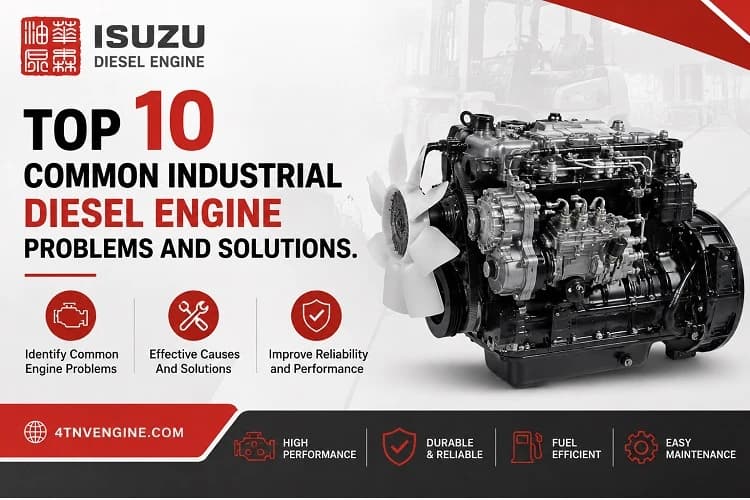
The industrial diesel engine is commonly found in construction equipment, generators, agricultural e
18 August 2026
When you walk into any major concert event today, the first thing that hits you is the visuals. You
11 August 2026
If you're new to purchasing components for a surface-mount assembly the feeder is among the first th
11 August 2026
Be the first to share your thoughts
No comments yet. Be the first to comment!
Share your thoughts and join the discussion below.





.webp&w=3840&q=75)
.webp&w=3840&q=75)

.webp&w=3840&q=75)
.webp&w=3840&q=75)