
* All product/brand names, logos, and trademarks are property of their respective owners.
Choosing the right cookware can make everyday cooking easier, whether you are preparing a quick breakfast, searing meat, or making a slow-cooked family meal. While stainless steel and non-stick pans remain popular choices, cast iron cookware continues to attract home cooks because of its durability, heat retention, and versatility. Among the available options, Pre-Seasoned Cast Iron Cookware stands out as a practical choice for people who want to enjoy the benefits of cast iron without starting the seasoning process from scratch.
But is it really worth buying for your kitchen? The answer depends on your cooking habits, maintenance preferences, and expectations. Understanding how pre-seasoned cast iron works, what it offers, and where it requires extra care can help you decide whether it deserves a place in your cookware collection.
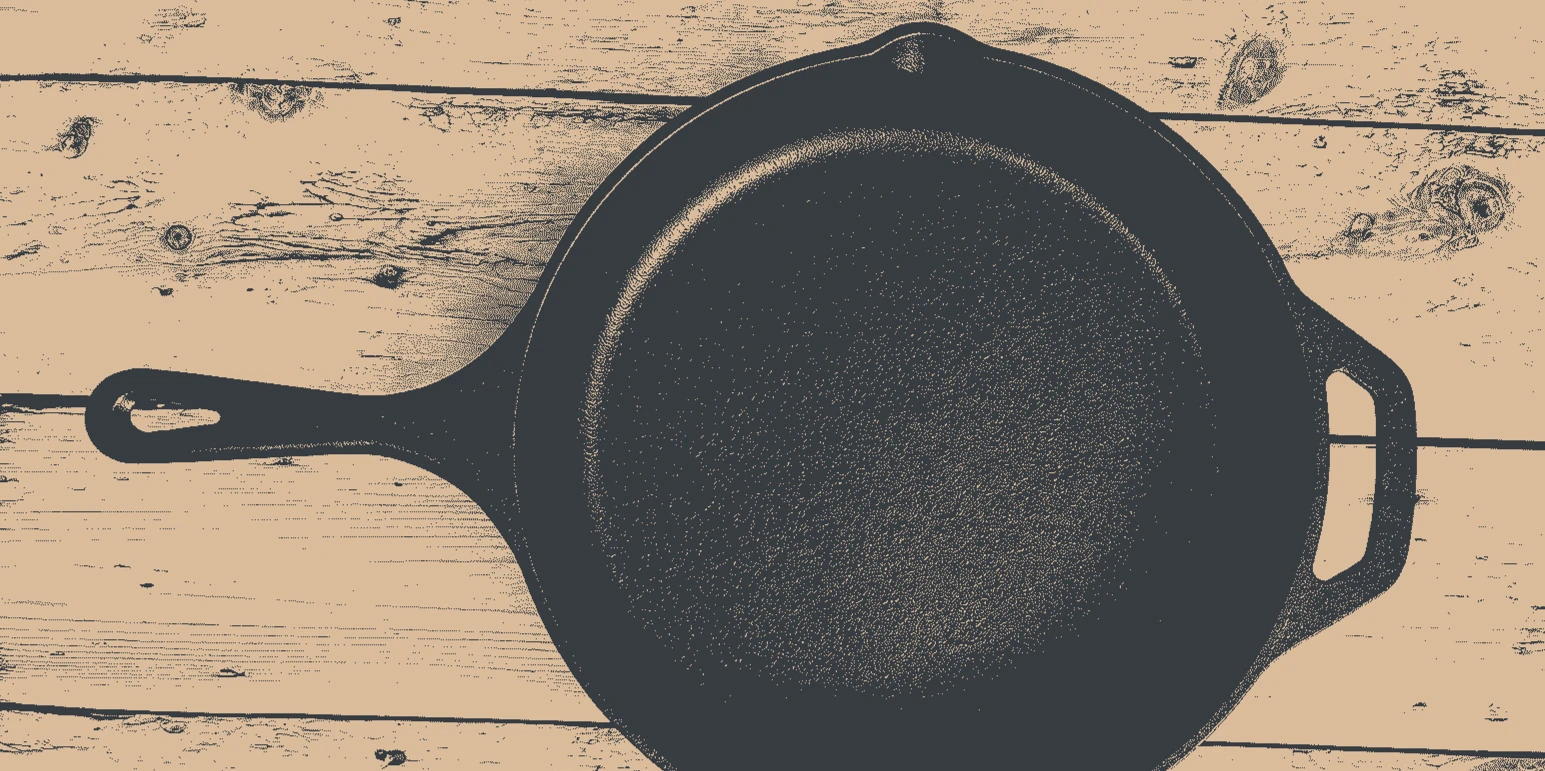
Pre-seasoned cast iron cookware is made from cast iron that has already undergone an initial seasoning process. During seasoning, a thin layer of cooking oil is heated onto the metal, creating a protective surface that helps reduce sticking and provides some resistance to rust.
This initial treatment means you can generally start cooking with the pan soon after washing and drying it according to the manufacturer's instructions. You do not need to complete the entire seasoning process before preparing your first meal.
However, pre-seasoning does not make cast iron completely non-stick. Cooking results depend on the quality of the seasoning, the ingredients you use, and how you manage the heat. With regular care, the surface can improve over time, making cast iron a useful long-term addition to your kitchen.
One of the biggest advantages of cast iron is its ability to retain heat. Once the cookware becomes hot, it can maintain a relatively steady temperature, which is particularly helpful when searing meat, browning vegetables, or preparing foods that benefit from consistent heat.
For example, placing a steak in a properly preheated cast iron skillet can help create a rich, browned crust. The same cookware can also be useful for roasting vegetables and crisping potatoes.
Although cast iron takes longer to heat than some lightweight pans, its heat retention makes it valuable for many cooking techniques.
Traditional cast iron cookware may require seasoning before its first use. By choosing Pre-Seasoned Cast Iron Cookware, you can skip that initial preparation step in most cases.
This convenience makes it appealing to beginners who want to explore cast iron cooking without learning the full seasoning process immediately. You can focus on understanding preheating, oiling, and temperature control while maintaining the existing protective layer.
Always check the manufacturer's care instructions before cooking, as preparation requirements can vary between products.
Versatility is another reason people choose cast iron. Depending on the product's design and manufacturer instructions, cast iron cookware can be suitable for frying, searing, roasting, baking, and slow cooking.
A cast iron frying pan works well for everyday meals, while a Dutch oven can be useful for soups, stews, braised dishes, and bread. Some combo cookers feature a lid that doubles as a skillet or griddle, providing additional cooking options without requiring separate pieces.
This flexibility can help you get more value from your cookware, especially if you enjoy experimenting with different recipes.
Cast iron is known for its durability. Unlike cookware with delicate non-stick coatings, it does not rely on a conventional synthetic non-stick layer that can wear away through ordinary use.
With proper handling, cleaning, and storage, a quality cast iron pan can remain useful for many years. Even when the seasoning becomes uneven or rust appears, the cookware can often be restored rather than discarded.
Its long service life makes cast iron worth considering for households that prefer durable kitchen equipment over frequently replacing pans.
Although Pre-Seasoned Cast Iron Cookware has several advantages, it is not the perfect choice for every kitchen.
Weight is one of the most noticeable drawbacks. Cast iron pans are generally heavier than aluminium or stainless steel alternatives, which may make them difficult to lift, move, or clean for some users.
The cookware also requires more attention than many modern non-stick pans. Leaving it wet for extended periods can encourage rust, while cooking acidic foods for long periods may affect the seasoning, particularly when the protective layer is new or weak.
Temperature control is another consideration. Cast iron heats gradually, so placing it over very high heat immediately is not always necessary. Gradual preheating and moderate heat settings often provide better results.
Understanding these limitations helps you determine whether cast iron matches your daily cooking routine.
Proper maintenance is essential for preserving the seasoning and extending the life of your cookware. Fortunately, the basic routine is straightforward.
First, clean the pan after cooking. Warm water and a suitable cleaning brush or sponge are usually sufficient. Mild dish soap can generally be used when needed, despite the common belief that soap must never touch cast iron.
Second, dry the cookware thoroughly. Do not leave it soaking in water or allow moisture to remain on the surface. If necessary, warm the pan briefly over low heat to remove any remaining moisture.
Third, apply a very thin layer of cooking oil when appropriate. Wipe away excess oil rather than leaving a thick, sticky coating.
Finally, store the cookware in a dry place. Avoid stacking pans in a way that traps moisture, and consider placing a protective layer between stacked pieces to reduce scratching.
These simple habits help preserve the seasoning and keep your cookware ready for regular use.
Yes, it can be an excellent option for beginners who are willing to learn a few basic care techniques. Because the initial seasoning has already been applied, new users can begin cooking without completing that preparation themselves.
Start with straightforward recipes such as fried potatoes, roasted vegetables, grilled sandwiches, or seared chicken. Preheat the pan gradually, use enough cooking oil, and avoid turning the food too early when it needs time to brown.
It is also important to understand that cast iron performs differently from lightweight non-stick cookware. Learning how it responds to heat can improve cooking results and reduce frustration.
For beginners who value durability and versatility, Pre-Seasoned Cast Iron Cookware offers a manageable way to explore traditional cast iron cooking.
The best option depends on the meals you prepare most often and the number of people you usually cook for.
A frying pan is a sensible starting point for eggs, vegetables, meats, and everyday stovetop recipes. A skillet set offers different sizes for preparing multiple dishes, while a Dutch oven is better suited to soups, stews, braising, and certain baking tasks.
Before buying, consider the cookware's weight, handle design, dimensions, compatibility with your hob, and oven-safety instructions. Check the manufacturer's guidance for induction cooking and any other specific heat-source requirements.
It is also worth comparing individual pans with multi-piece sets. A single skillet may meet your needs if you cook simple meals, whereas a set or combo cooker can offer greater flexibility if you frequently try different recipes.
So, is Pre-Seasoned Cast Iron Cookware worth buying? For many households, yes. It combines strong heat retention, versatile cooking performance, durability, and the convenience of an existing seasoning layer.
It is particularly suitable for people who enjoy searing, roasting, frying, and preparing meals that benefit from steady heat. However, its weight and maintenance requirements may not suit everyone, especially those who prefer lightweight cookware with minimal care.
The best decision comes down to your priorities. If you want cookware that can support a wide range of recipes and remain useful for years, cast iron is worth considering. By selecting the right style and following simple maintenance practices, you can make a practical investment in your everyday cooking routine.

No bio available yet.
A home elevator can make everyday movement between floors more convenient, especially in multi-store
25 September 2026
Home decor plays an important role in making one’s house feel comfortable, welcoming, and appe
7 August 2026
Planning Kitchen Renovations Sydney homeowners can be proud of requires more than choosing stylish c
19 June 2026
Be the first to share your thoughts
No comments yet. Be the first to comment!
Share your thoughts and join the discussion below.