
* All product/brand names, logos, and trademarks are property of their respective owners.
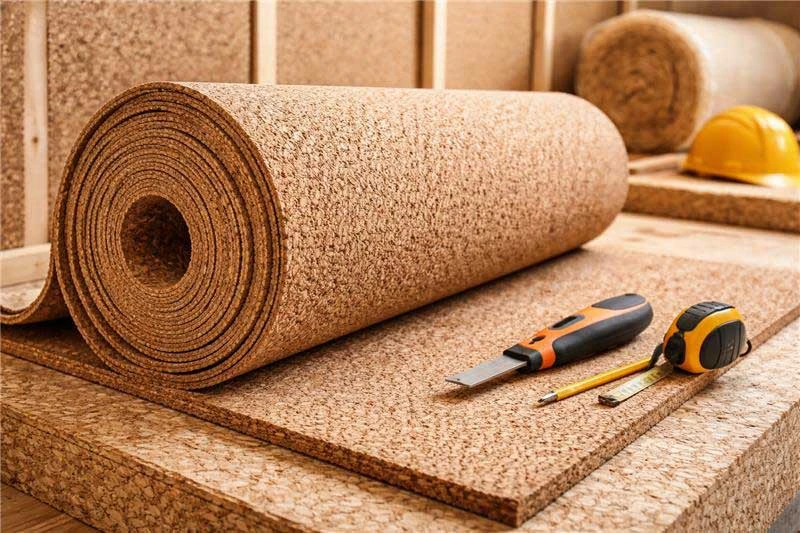
In the ever-evolving world of construction, builders across the UK are constantly on the lookout for insulation materials that are not only effective but also environmentally responsible. One natural material that's gaining popularity in both residential and commercial projects is cork roll insulation — and for good reason.
Cork, harvested from the bark of cork oak trees, has long been used in wine stoppers and flooring, but it’s now making its way into walls, ceilings, and floors as a top-tier insulation solution. What sets cork apart is its unique cellular structure that offers excellent thermal and acoustic insulation, all while being 100% natural, renewable, and biodegradable. For builders in the UK dealing with variable climates, urban noise, and rising energy costs, cork rolls offer a practical solution that ticks all the boxes.
When it comes to insulation, few materials perform as reliably across the UK's varying weather conditions as cork. Its natural composition makes it an excellent thermal insulator, helping to keep indoor spaces comfortable all year round — whether it's the damp chill of a Scottish winter or the occasional summer heatwave in the South.
Cork's cellular structure is made up of millions of tiny air pockets. These pockets trap heat and slow down the transfer of temperature, creating a natural thermal barrier between indoor and outdoor environments. For UK homes and buildings, this means cork helps retain heat in colder months and prevents overheating during summer, making it easier to maintain a stable and pleasant indoor climate.
This natural regulation not only enhances comfort but also helps reduce energy consumption. With less need to rely heavily on central heating or air conditioning, property owners can enjoy lower utility bills — a major plus given rising energy prices in the UK.
With the UK construction industry under increasing pressure to reduce its carbon footprint, sustainability is no longer a bonus — it’s a requirement. Builders and developers are actively seeking materials that are not only efficient but also responsibly sourced. That’s where cork underlay rolls stand out as a leading eco-conscious choice.
Cork underlay rolls are completely biodegradable and don’t release harmful VOCs (volatile organic compounds), making them a safe and natural insulation choice for indoor environments. For UK homeowners concerned about air quality and eco-footprints, this is a significant advantage.
Unlike synthetic insulation materials that involve energy-intensive manufacturing, cork requires minimal processing.
Builders using cork underlay rolls can demonstrate commitment to sustainability in their project specs and tenders, especially for councils or eco-conscious clients. Plus, since cork is lightweight and compact when rolled, it also reduces transport emissions and handling costs on-site.
If you're working on eco-builds, home retrofits, or simply want to reduce environmental impact without sacrificing performance, cork underlay rolls offer a smart, future-proof solution.
Explore our full range of Cork Underlay Rolls
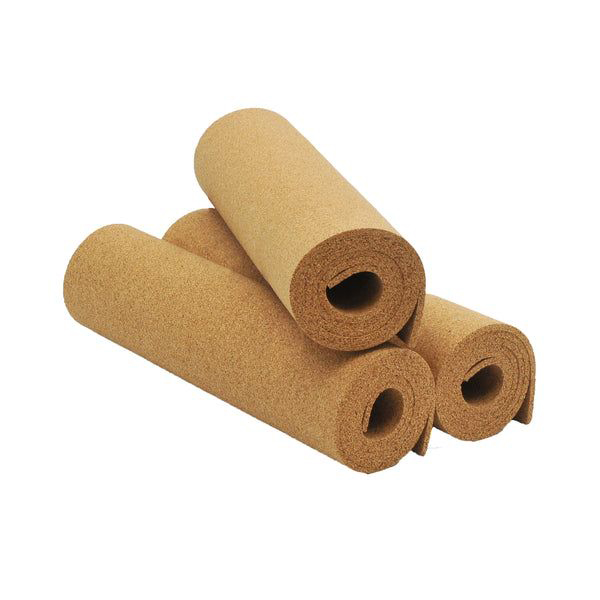
Urban living in the UK often means dealing with noise — from traffic, neighbours, or shared building structures. For builders tackling flats, semi-detached homes, or renovation projects in cities like London, Manchester, or Birmingham, sound insulation is just as important as thermal performance. That’s where cork underlay rolls provide a quiet advantage.
Cork’s dense yet flexible structure naturally absorbs sound vibrations. When used as an underlay beneath flooring, it acts as a buffer that minimises both impact noise (like footsteps or dropped objects) and airborne sound (voices, music, or appliances).
This makes it ideal for multi-storey homes, apartment blocks, and office-to-flat conversions — common in many UK city developments.
Builders appreciate that cork underlay is not only effective but also easy to install. It rolls out quickly under laminate, engineered wood, or tile flooring, saving time on the job site. Plus, it doesn't compress easily over time, maintaining its acoustic benefits for years.
For projects aiming to meet UK Building Regulations Part E (which covers sound insulation in dwellings), cork can play a key role in achieving compliance without complex installation requirements.
Durability is a key consideration for builders choosing insulation materials — especially in the UK, where damp conditions are common across many regions. Cork underlay rolls stand out not just for their thermal and acoustic benefits, but also for their impressive resilience and natural moisture resistance.
Unlike many synthetic materials, cork has a natural resistance to moisture and fungal growth. This makes it a solid choice for ground-floor installations, older buildings, or properties in wetter climates like Wales, the Lake District, or coastal areas of the UK. When used under flooring, it helps prevent damp-related damage, extending the life of the structure above it.
Builders appreciate cork’s ability to maintain its form and performance even in humid conditions. It doesn’t degrade or lose its insulation properties over time, making it a reliable long-term investment.
Cork underlay doesn’t flatten or wear out easily. Unlike foam or felt alternatives, cork retains its performance for years, helping to reduce callbacks and future repairs — a win for both builders and end users.
In both residential and commercial settings, cork underlay offers a balance of natural strength and low upkeep, making it a favourite for sustainable, durable construction.
In construction, time and flexibility matter. Builders often look for insulation solutions that are not only effective but also simple to work with on-site. Cork underlay rolls meet that need perfectly — offering a product that’s quick to install and suitable for a wide range of applications across both new builds and renovation projects.
Cork underlay rolls come in manageable sizes and are lightweight, making transport and handling on site straightforward. They can be cut easily to fit around edges, corners, and fixtures, and they roll out smoothly under most types of flooring, including laminate, engineered wood, tiles, and even carpets.
This ease of use reduces installation time and labour costs — something every builder can appreciate, especially on larger residential developments or time-sensitive projects.
While most commonly used under flooring, cork underlay can also be applied in walls and ceilings for added thermal and sound insulation. This versatility makes it ideal for builders seeking a multi-functional material that can be adapted across various parts of a structure.
To learn more about cork underlay rolls and their many uses, visit CorkRolls.co.uk.
Cork underlay rolls may seem like a simple material, but they pack a powerful punch when it comes to performance, sustainability, and practicality. From reducing heat loss in winter to muffling sound in busy urban areas, cork offers builders in the UK a smart, natural solution that supports both comfort and environmental goals.
What truly sets cork apart is its balance of benefits — it’s thermally efficient, acoustically effective, eco-friendly, moisture resistant, and easy to work with on-site. These five reasons explain why more builders, especially those focused on sustainable and high-performance construction, are turning to cork underlay for insulation needs.
Whether you're working on a new development, a renovation, or a retrofit, cork underlay rolls provide a versatile option that aligns with modern building standards and long-term value.

We specializes in high-quality cork sheets, rolls, and insulation solutions for industrial, commercial, and DIY applications. We focus on providing durable, sustainable, and easy-to-install cork products to meet diverse material and insulation needs.
At a glance:
4 October 2026
Many industries depend on Hot tapping services in the UAE to repair, modify, or expand pipelines wit
24 July 2026
Construction sites have always generated waste. Offcuts of timber, broken bricks, plasterboard, conc
13 July 2026
Be the first to share your thoughts
No comments yet. Be the first to comment!
Share your thoughts and join the discussion below.









.webp&w=3840&q=75)
.webp&w=3840&q=75)