
* All product/brand names, logos, and trademarks are property of their respective owners.
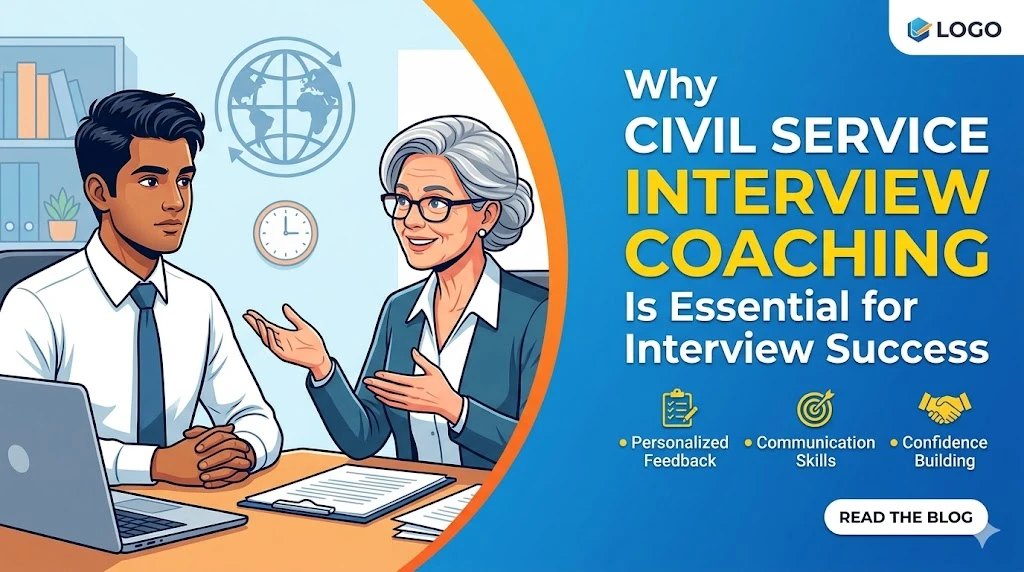
Securing a position in the civil services is a dream for thousands of aspirants, but reaching the interview stage is only part of the journey. The personality test or interview is often the most decisive phase of the selection process, where candidates are assessed beyond their academic knowledge and examination scores. This is where Civil Service Interview Coaching becomes invaluable. Many candidates possess strong subject knowledge and excellent written examination results, yet struggle to effectively present themselves during the interview. Professional coaching helps bridge this gap by enhancing communication skills, building confidence, refining personality traits, and preparing candidates to handle challenging questions with clarity and composure. As competition continues to grow, investing in structured interview preparation can significantly improve the chances of achieving success in one of the most prestigious career paths.
The civil service interview is not merely a test of knowledge. It is designed to evaluate a candidate's personality, decision-making ability, leadership qualities, communication skills, ethical values, and overall suitability for public administration roles.
Interview boards seek individuals who can handle responsibilities, make informed decisions under pressure, and effectively serve the public. Even candidates who excel in preliminary and main examinations may find the interview challenging because it requires spontaneous thinking and confident expression.
Unlike written exams, where answers can be carefully structured and revised, interviews demand immediate responses. Candidates must demonstrate not only what they know but also how they think, communicate, and conduct themselves.
Despite extensive preparation for competitive examinations, many aspirants encounter difficulties during the interview stage. Common challenges include:
These issues can negatively impact performance, even when the candidate has strong academic credentials. This is why professional guidance becomes essential.
Interview coaching provides structured preparation specifically tailored to the unique demands of civil service interviews. It helps candidates understand what interview panels expect and equips them with practical skills to perform effectively.
Professional coaching focuses on several key areas:
Civil servants are expected to possess strong interpersonal skills and a balanced personality. Coaching programs help candidates improve self-awareness, confidence, and professionalism.
Through expert feedback and mentoring, aspirants learn how to present themselves as capable, responsible, and mature individuals ready to take on administrative roles.
Effective communication is one of the most critical aspects of interview success. Candidates must express their ideas clearly, logically, and confidently.
Interview coaching helps improve:
Regular practice sessions enable candidates to communicate naturally and persuasively during interviews.
Mock interviews are among the most valuable components of coaching programs. They simulate the actual interview environment, allowing candidates to gain firsthand experience.
Benefits of mock interviews include:
Expert assessors provide detailed feedback that helps candidates continuously improve their performance.
Confidence often distinguishes successful candidates from unsuccessful ones. Even knowledgeable candidates may underperform if they appear hesitant or uncertain.
Interview coaching helps build confidence through:
As candidates become more comfortable answering diverse questions, their confidence naturally grows.
Civil service interviews frequently include questions related to current events, governance, public policy, economics, social issues, and international affairs.
Coaching programs help candidates stay updated on:
Mentors guide aspirants in forming balanced opinions and presenting thoughtful perspectives on complex topics.
One common mistake candidates make is providing lengthy, unfocused answers. Interview panels appreciate concise, organized, and relevant responses.
Coaching teaches candidates how to:
These techniques help candidates make a stronger impression during interviews.
Interview success depends not only on what candidates say but also on how they present themselves.
Body language communicates confidence, professionalism, and sincerity. Interview coaching helps candidates improve:
Positive non-verbal communication creates a favorable impression and reinforces verbal responses.
Civil service interview boards often ask challenging questions to assess a candidate's critical thinking and emotional stability.
Examples include:
Without proper preparation, such questions can be intimidating.
Interview coaching provides strategies to:
These skills are crucial for achieving interview success.
Every candidate has unique strengths and weaknesses. One of the greatest advantages of interview coaching is receiving individualized feedback.
Experienced mentors evaluate:
This personalized guidance enables candidates to focus on specific areas requiring improvement, leading to more effective preparation.
Many aspirants misunderstand the purpose of the civil service interview. They assume it is another knowledge-based examination.
In reality, interview panels evaluate qualities such as:
Coaching programs help candidates understand these expectations and align their preparation accordingly.
Civil servants regularly interact with people from diverse backgrounds and handle sensitive situations.
Emotional intelligence plays a significant role in:
Interview coaching helps candidates develop empathy, self-awareness, and emotional control, all of which contribute to better interview performance.
Many candidates struggle to balance interview preparation with other responsibilities.
Professional coaching provides a structured roadmap that includes:
This organized approach ensures efficient use of time and maximizes preparation outcomes.
One of the biggest advantages of coaching is access to experienced mentors who understand the interview process thoroughly.
These experts provide valuable insights regarding:
Learning from their experience can significantly improve a candidate's readiness.
Interview-related stress can negatively affect performance. Symptoms may include:
Coaching programs incorporate stress-management techniques that help candidates remain calm and focused.
Methods may include:
These approaches help candidates perform at their best under pressure.
Civil servants frequently make decisions that impact communities and organizations.
Interview panels assess decision-making ability through situational and hypothetical questions.
Coaching helps candidates develop:
These competencies are essential not only for interviews but also for future administrative responsibilities.
The number of candidates appearing for civil service interviews continues to increase every year. Even small differences in performance can influence final rankings.
Candidates who receive professional coaching often gain advantages such as:
These factors collectively contribute to superior interview performance.
The benefits of interview coaching extend beyond selection itself.
Skills developed during coaching remain valuable throughout a civil servant's career, including:
These abilities contribute to long-term career success and effective public service.
Selecting the right coaching program is essential for achieving desired results.
Candidates should consider factors such as:
A well-structured program can significantly enhance preparation quality and confidence.
The civil service interview is a critical stage that evaluates far more than academic knowledge. It assesses personality, communication abilities, leadership qualities, ethical values, and overall suitability for public service roles. While many aspirants dedicate years to clearing written examinations, interview success requires a different set of skills that must be carefully developed and refined.
This is why civil service interview coaching has become an essential component of modern preparation strategies. Through expert guidance, mock interviews, personalized feedback, confidence-building exercises, and comprehensive personality development, coaching equips candidates with the tools needed to excel in the interview process. In an increasingly competitive environment, professional coaching not only improves interview performance but also prepares future civil servants for the challenges and responsibilities of leadership. For aspirants aiming to maximize their chances of success, investing in quality interview coaching can be one of the most valuable decisions on the path to a rewarding civil service career.

At a Glance
3 October 2026
Studying abroad can be an important step toward building an international career. With access to qua
8 September 2026
Technology is becoming an important part of modern education. Students interact with AI, coding plat
25 August 2026
Be the first to share your thoughts
No comments yet. Be the first to comment!
Share your thoughts and join the discussion below.
.webp&w=3840&q=75)






.webp&w=3840&q=75)
.webp&w=3840&q=75)


.webp&w=3840&q=75)