
* All product/brand names, logos, and trademarks are property of their respective owners.
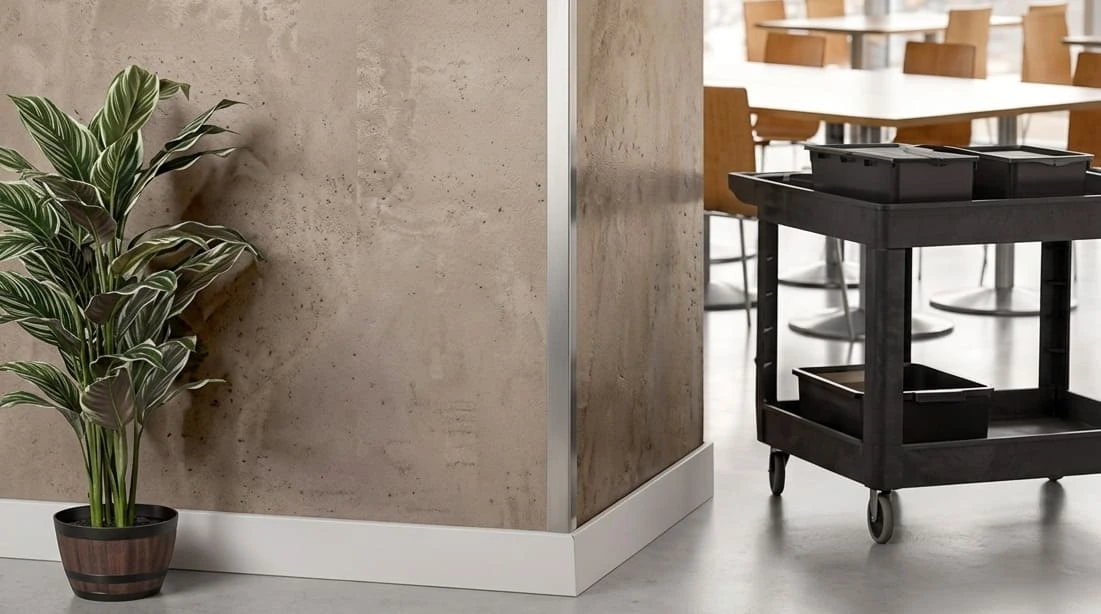
Wall corners take more impact than most people realise. In busy UK homes, offices, schools, hospitals, and commercial spaces, corners are often the first areas to show chips, dents, scuffs, and cracked paint. This usually happens through everyday movement, such as furniture being shifted, trolleys passing through narrow areas, doors swinging open, or people brushing past in high-traffic spaces.
Preventing this damage is usually easier and more cost-effective than repairing it later. Wall corner protectors help keep interiors looking clean, reduce the need for frequent repainting, and protect vulnerable edges before wear becomes obvious. For property owners, facilities teams, and homeowners, they are a practical way to maintain a smarter, longer-lasting finish.
Hallways and corridors experience constant foot traffic, making wall corners vulnerable to scuffs, dents, and impact damage. Narrow walkways increase the chances of people, bags, and equipment brushing against walls. Installing Wall Corner Protectors in these areas can help prevent costly repairs and keep walls looking well-maintained.
Entrances in UK buildings are busy areas where doors, luggage, deliveries, and carts can easily strike exposed corners. Protecting these areas helps maintain a cleaner and more professional appearance.
In many UK properties, tight corners and frequent movement make staircases a common location for wall damage. Carrying furniture, boxes, or equipment up and down stairs often leads to accidental impacts.
Across UK offices and commercial buildings, reception areas, corridors, and shared workspaces regularly experience contact from chairs, trolleys, and cleaning equipment. Installing corner protection helps reduce wear and minimise repair costs.
Wall corner protectors are just as useful in homes as they are in commercial settings. Everyday activities can quickly lead to chipped paint, scuffed corners, and minor wall damage.
Moving sofas, tables, and storage units can easily knock exposed corners. Homes with children may also experience more frequent bumps and scrapes in busy living spaces.
Chairs, appliances, and constant movement make kitchens and dining rooms common areas for corner damage. Protection helps keep walls looking tidy despite daily use.
Furniture movement, door swings, and narrow hallways can all take a toll on wall corners over time. Installing corner guards in these areas helps prevent unnecessary wear and reduces future repair work.
Installing wall corner protectors in the right places helps maximise their effectiveness. Rather than protecting every corner, focus on areas most likely to experience regular impact.
Start by identifying high-traffic zones within the building. Corridors, entrances, stairways, and shared walkways often experience the most contact. Pay particular attention to areas where people, furniture, trolleys or equipment regularly pass close to walls.
The type of wall surface can influence the level of protection required. Painted plasterboard walls may benefit from corner guards that prevent chips and scuffs, while more robust surfaces may require heavier-duty protection in high-impact environments.
Different settings have different safety needs. Schools, nurseries and healthcare facilities often benefit from softer materials that help reduce injury risks, while warehouses and industrial sites may require stronger corner protectors designed to withstand heavier impacts.
Different environments require different levels of protection. Choosing the right material helps ensure the corner guard performs effectively in its intended location.
Plastic corner guards are lightweight, affordable, and suitable for many residential and commercial settings. They provide everyday protection against minor knocks and scuffs, making them a popular choice for homes, offices, and reception areas.
Metal corner protectors are designed for areas exposed to heavier impacts. They offer excellent durability and are commonly used in warehouses, industrial facilities, and other high-traffic environments where wall damage is more likely to occur.
Rubber and PVC corner guards provide a degree of shock absorption, helping to minimise damage from accidental impacts. Their softer construction makes them particularly suitable for schools, healthcare facilities, and other environments where both protection and safety are important considerations.
If you're looking for wall corner protectors or other wall protection solutions, visit Corner Protector to explore a wide range of products that help keep walls protected in homes, offices, schools, and commercial spaces.
Installing wall corner protectors correctly is important if you want them to last and actually protect your walls in busy UK homes, offices, schools, and commercial spaces.
Start by cleaning the corner properly. Remove dust, grease, or loose paint so the protector can stick or fix properly. A clean surface always gives a stronger and longer-lasting hold.
Before fixing, mark where the protector will go. In most UK properties, damage usually happens around door handle height, furniture edges, or where trolleys and people frequently pass. Positioning it correctly makes all the difference.
Use strong adhesive for lighter areas like homes or offices, but in busy places such as schools, hospitals, or warehouses, screw fixings are usually more reliable. The choice depends on how much impact the area gets.
Press the protector firmly and make sure it sits straight against the wall. Even a small misalignment can affect both appearance and protection, so adjust before it fully sets.
In UK buildings, especially high-traffic ones, a quick check every now and then helps keep things in good condition.
These small steps help maintain protection without much effort.
Wall corner protectors offer more than just protection against bumps and knocks. They provide practical long-term benefits for both residential and commercial properties.
Repeated corner damage can lead to ongoing expenses for filling cracks, repairing plaster, and repainting walls. Installing corner protectors helps minimise wear and tear, reducing maintenance costs over time.
Damaged corners can make even well-maintained interiors look worn and neglected. Corner protection helps preserve clean lines and keeps walls looking professional, whether in a home, office, school, or healthcare facility.
Protecting vulnerable corners helps extend the life of wall finishes and reduces the impact of everyday use. This can contribute to lower refurbishment requirements and help maintain the overall condition of the property.
In busy environments, corner protectors can help soften exposed edges and reduce the likelihood of injuries caused by accidental contact. This is particularly beneficial in schools, healthcare facilities, and family homes with young children.
A. No. They are suitable for both commercial properties and homes, especially in high-traffic areas.
A. Yes. Existing damage can be repaired first, then protected to help prevent future issues.
A. Hallways, entrances, staircases, corridors, and areas with frequent furniture or equipment movement.
Wall corner protectors are a simple yet effective way to prevent everyday damage and maintain the appearance of buildings in the UK. From hallways and entrances to schools, hospitals, warehouses, and family homes, corners are often exposed to constant impact that can lead to costly repairs over time.
By focusing on high-traffic areas and choosing the right type of corner protector for the environment, property owners can reduce maintenance requirements, improve safety, and help walls stay in better condition for longer. Whether the setting is residential, commercial, or industrial in the UK, installing corner protection before damage occurs is a practical investment that can deliver long-term benefits.

I am Katherine, a blog writer who enjoys creating clear, engaging, and meaningful content. I like exploring different topics and turning ideas into simple, easy-to-read articles that inform and inspire readers.
A home elevator can make everyday movement between floors more convenient, especially in multi-store
25 September 2026
Home decor plays an important role in making one’s house feel comfortable, welcoming, and appe
7 August 2026
Planning Kitchen Renovations Sydney homeowners can be proud of requires more than choosing stylish c
19 June 2026
Be the first to share your thoughts
No comments yet. Be the first to comment!
Share your thoughts and join the discussion below.









.webp&w=3840&q=75)
.webp&w=3840&q=75)