* All product/brand names, logos, and trademarks are property of their respective owners.
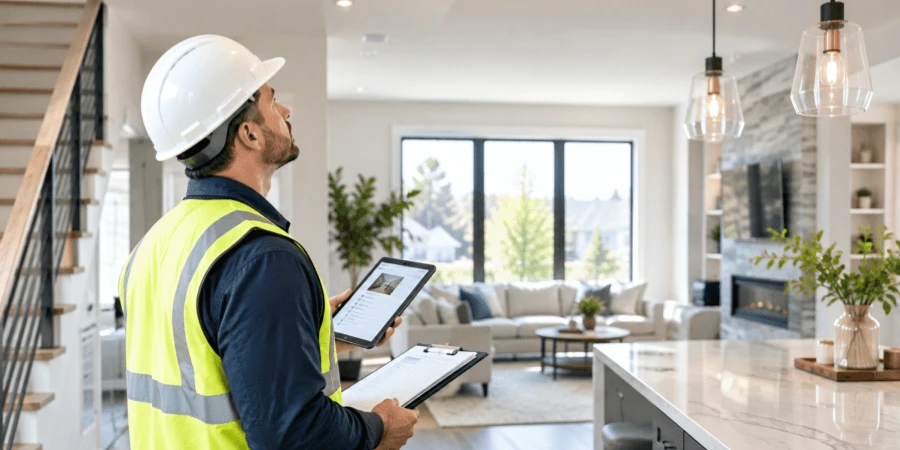
Buying, leasing, or maintaining a building involves more than evaluating its appearance and location. Understanding the condition of its major systems, structural components, and safety features is essential for making informed property decisions. A professional building inspection helps identify existing defects, potential maintenance concerns, and areas that may require further evaluation.
Whether you are purchasing a commercial space or managing an existing property, knowing what happens during an inspection can help you prepare and understand the findings.
A professional building inspection typically begins with a review of the property's general condition and available information. The inspector may ask about the building's age, previous repairs, known problems, and any specific concerns raised by the owner or prospective buyer.
The property's size, intended use, and construction type can influence the inspection process. For example, an office building may require attention to different operational features than a retail space or warehouse.
This initial assessment helps establish the scope of the inspection and identify areas that may need closer attention.
Structural integrity is one of the most important aspects of a building inspection. Inspectors generally examine accessible foundations, walls, floors, ceilings, and other visible structural components for signs of deterioration or damage.
Common concerns may include cracks in walls, uneven floors, water-related deterioration, and visible movement in structural elements. Not every crack indicates a serious problem, but its location, size, and pattern can help determine whether further evaluation is necessary.
During a commercial property inspection, structural observations are particularly valuable because building condition can influence occupancy, maintenance costs, and long-term investment decisions.
The roof and exterior surfaces protect a building from weather exposure and moisture intrusion. As part of the inspection, accessible roofing components, exterior walls, windows, doors, and drainage features may be evaluated.
Inspectors look for visible signs of roof damage, deteriorated sealants, damaged flashing, poor drainage, and potential water entry points. Exterior walkways, parking areas, and other accessible site features may also be reviewed, depending on the inspection's scope.
Identifying these concerns early can help property owners plan repairs before minor issues develop into more extensive maintenance problems.
A building's essential systems play a major role in its functionality, comfort, and safety. A professional inspection may include a visual examination and basic operational checks of accessible electrical, plumbing, heating, ventilation, and air conditioning components.
Electrical observations may include visible wiring concerns, panel conditions, and apparent safety issues. Plumbing checks can help identify leaks, corrosion, drainage problems, and signs of water damage. HVAC assessments may focus on accessible equipment, visible condition, and basic operation.
The extent of testing depends on the inspection agreement and the systems available for evaluation. A general building inspection does not necessarily include specialized testing or a comprehensive engineering assessment. Significant concerns may require a licensed electrician, plumber, HVAC technician, or other qualified specialist.
Moisture problems can affect multiple parts of a building, sometimes creating damage that is not immediately obvious. Inspectors look for visible staining, peeling finishes, deteriorated materials, and other signs that may indicate leaks or water intrusion.
Potential sources include roof leaks, plumbing failures, poor drainage, and moisture entering through exterior walls or foundations. Where appropriate and included in the inspection scope, additional tools may be used to investigate suspected moisture concerns.
A professional inspection can help identify areas that warrant attention, although determining the exact source of a leak or the full extent of concealed damage may require further investigation.
Building safety is another important consideration, especially in properties used by employees, customers, tenants, or visitors. Inspectors may note visible hazards such as damaged stairs, unstable handrails, obstructed pathways, or deteriorated walking surfaces.
Depending on the property type and agreed scope, the inspection may also identify concerns involving emergency exits, visible fire-safety equipment, or accessibility features.
However, a general building inspection should not automatically be considered a formal fire-safety, accessibility, or code-compliance certification. Specialized assessments may be needed to determine whether a property meets all applicable requirements.
After the inspection, the inspector typically prepares a report documenting observed conditions and recommended next steps. The report may include photographs, descriptions of defects, information about affected components, and suggestions for repairs or additional evaluations.
Findings are often organized according to their condition, potential significance, or need for attention. This helps property owners distinguish between routine maintenance items and concerns that may require prompt professional review.
When reviewing the report, focus on issues that could affect safety, building functionality, or future repair expenses. Ask the inspector to clarify unfamiliar terminology and explain which findings need immediate attention and which can be monitored over time.
An inspection is most useful when its findings guide practical decisions. Buyers may use the report to discuss repairs, request additional assessments, or better understand the property's condition before completing a transaction. Existing owners can use the findings to prioritize maintenance and prepare a realistic repair budget.
Property owners seeking inspection services in Chicago should consider the building's age, size, intended use, and specific concerns when selecting a provider. It is also helpful to confirm what the inspection covers, whether specialized systems are excluded, and what type of report will be provided.
If significant structural, electrical, plumbing, or environmental concerns are identified, arrange an appropriate specialist assessment before deciding on major repairs or investments.
A professional building inspection provides valuable insight into a property's visible condition and helps identify concerns that may otherwise go unnoticed. From structural components and roofing to essential building systems and safety features, the inspection process gives buyers and property owners a clearer understanding of potential maintenance needs.
By reviewing the findings carefully, asking relevant questions, and arranging specialist evaluations when necessary, property stakeholders can make more informed decisions. Preparing for an inspection and understanding its limitations also helps ensure that the results contribute to better property management and long-term planning.

Before October 15, LA homeowners should look over the areas of their properties most likely to face
8 October 2026
Glendale, Arizona has built a reputation as one of the more budget-friendly cities in the Phoenix me
7 September 2026
Being a landlord is not easy. One mistake can cost you weeks of stress. Another mistake can cost you
12 June 2026
Be the first to share your thoughts
No comments yet. Be the first to comment!
Share your thoughts and join the discussion below.





.webp&w=3840&q=75)
.webp&w=3840&q=75)


.webp&w=3840&q=75)
.webp&w=3840&q=75)